(2023/4)
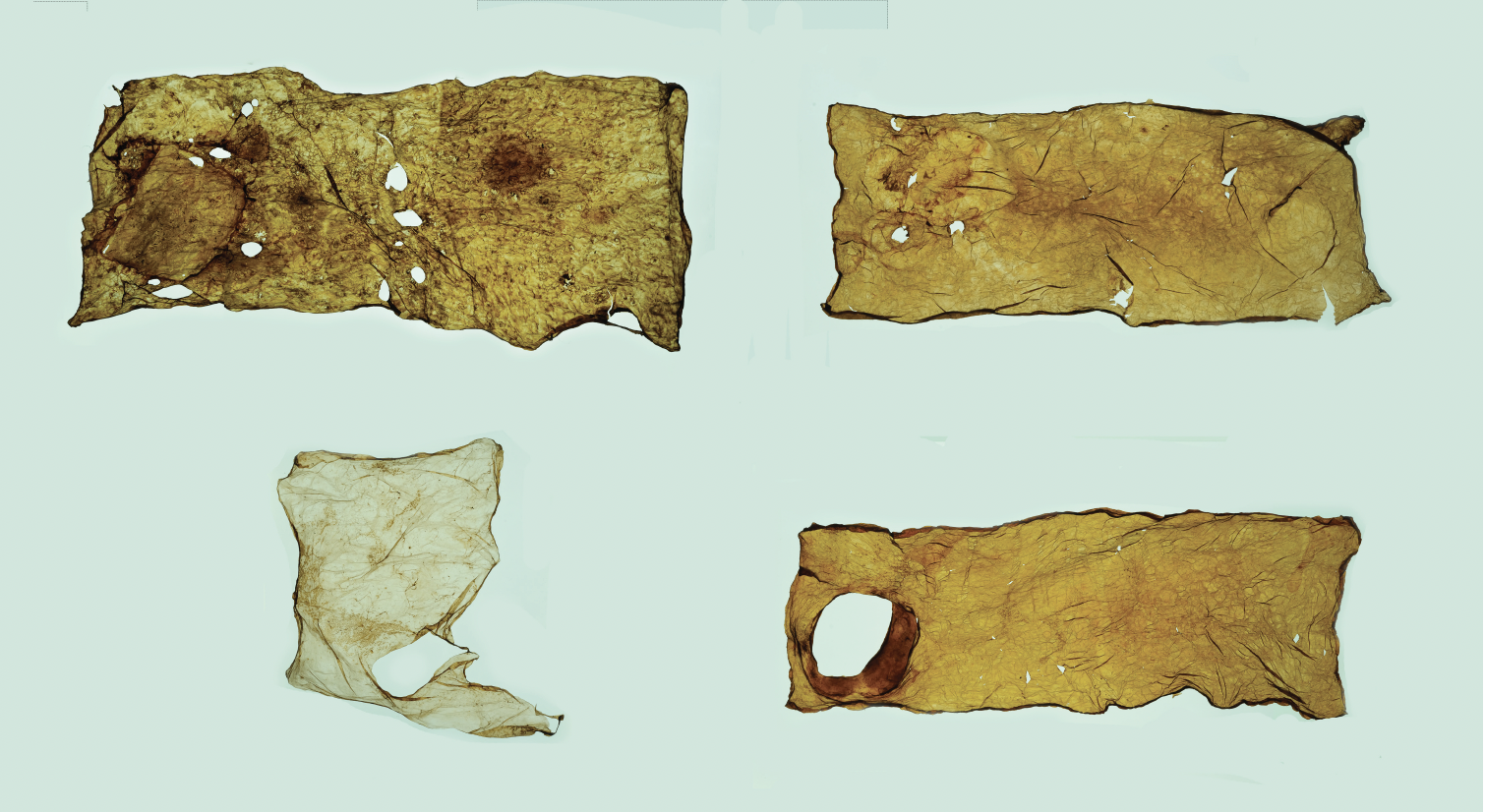
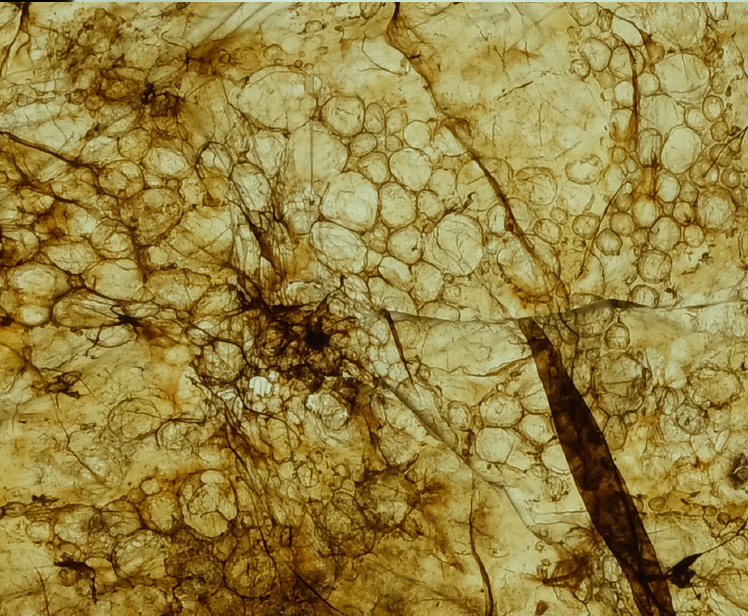
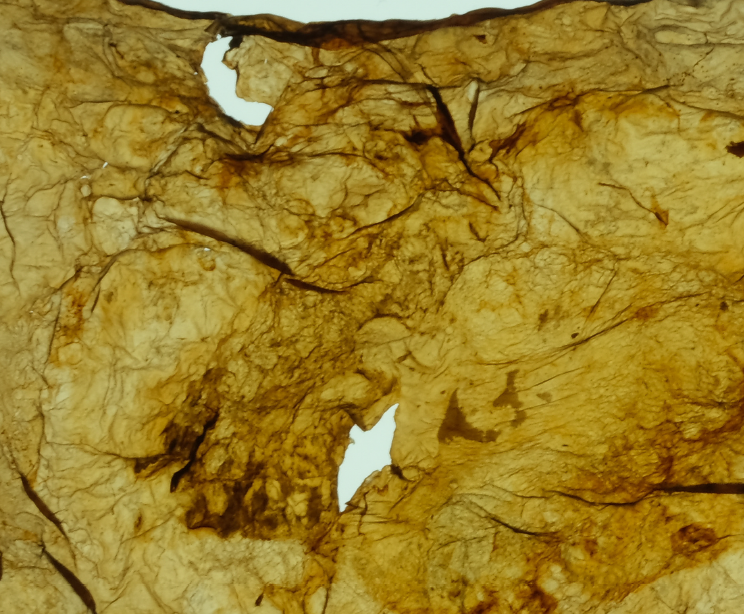
001 Leather is one of the most versatile of materials, its flexibility and tactility has meant it was the material of choice for thousands of years. However ethical concerns around the consumption of animal skin has led to explorations of other types of leathers such as bacterial leather produced by a 'SCOBY' (symbiotic culture of bacteria and yeast).
002
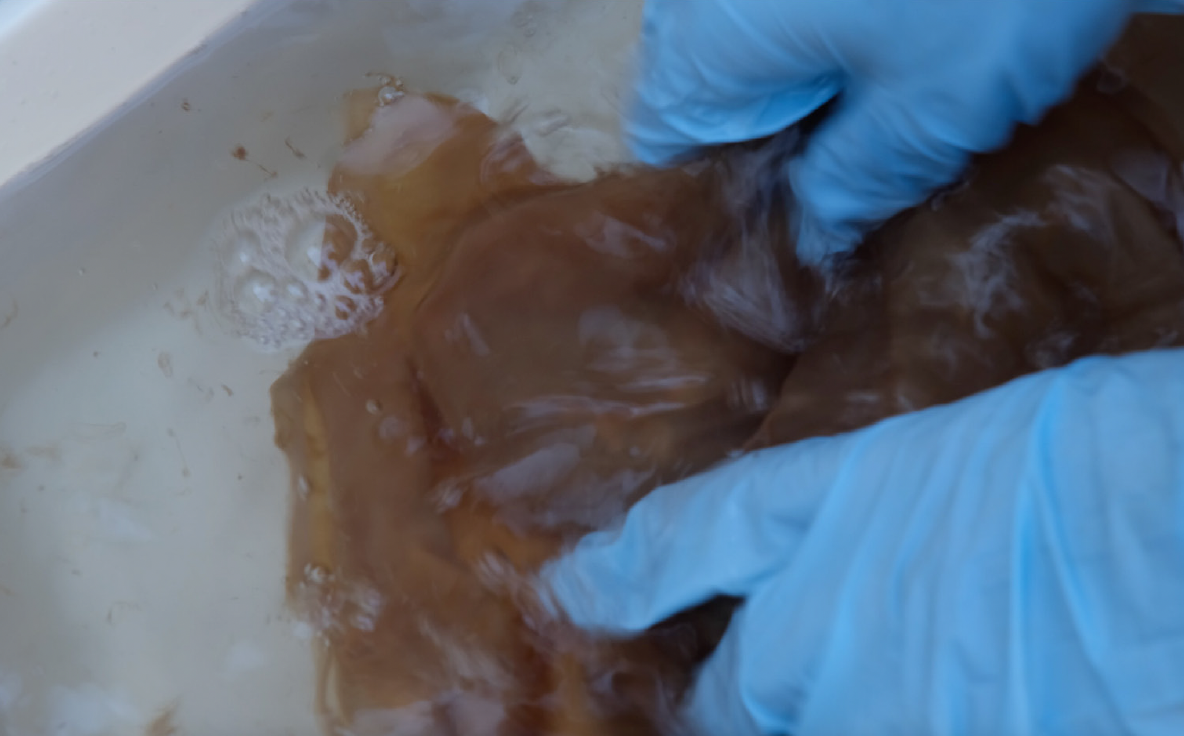
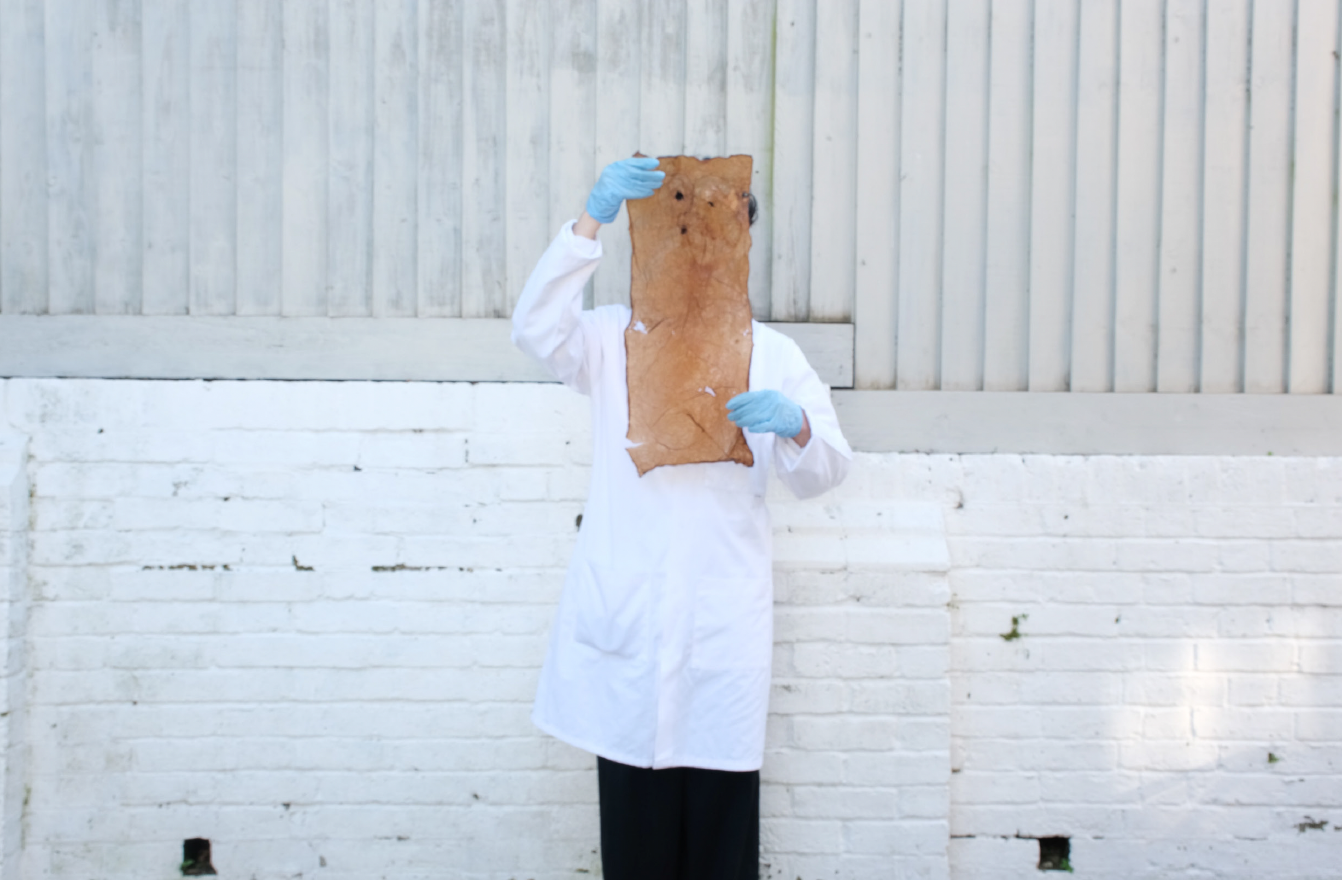
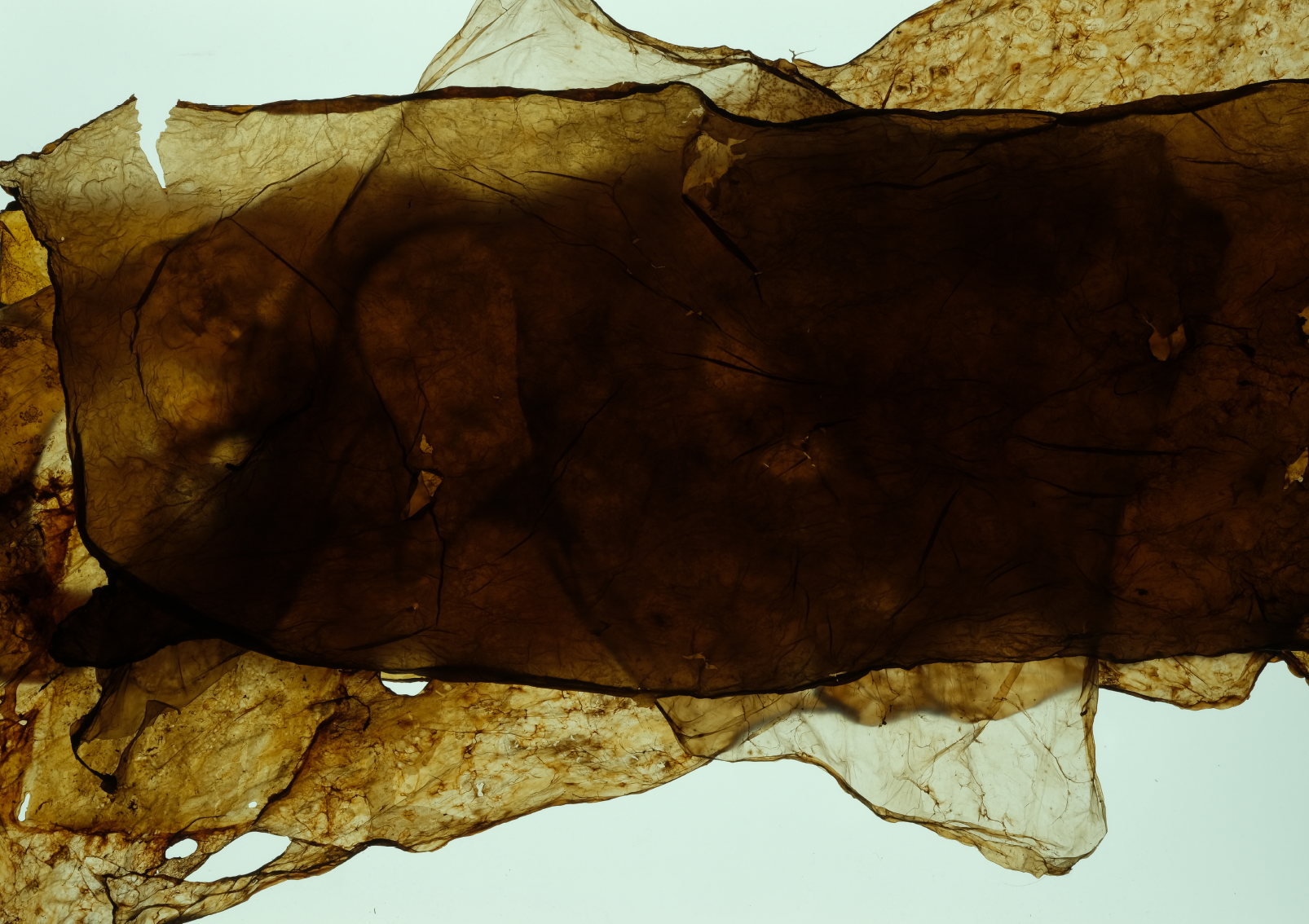
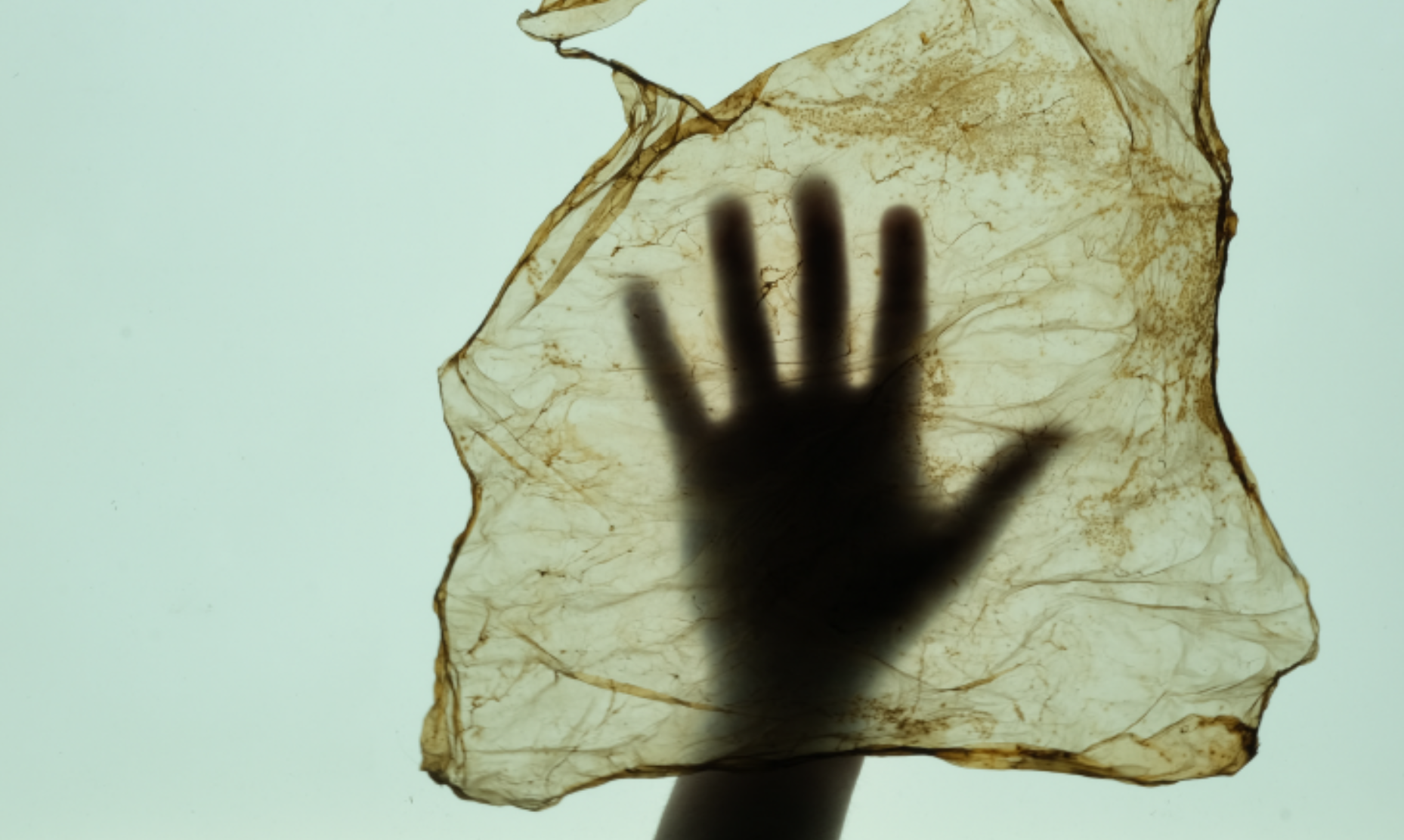
The bacteria leather is highly transluce-nt allowing the human sillohuette to shine through
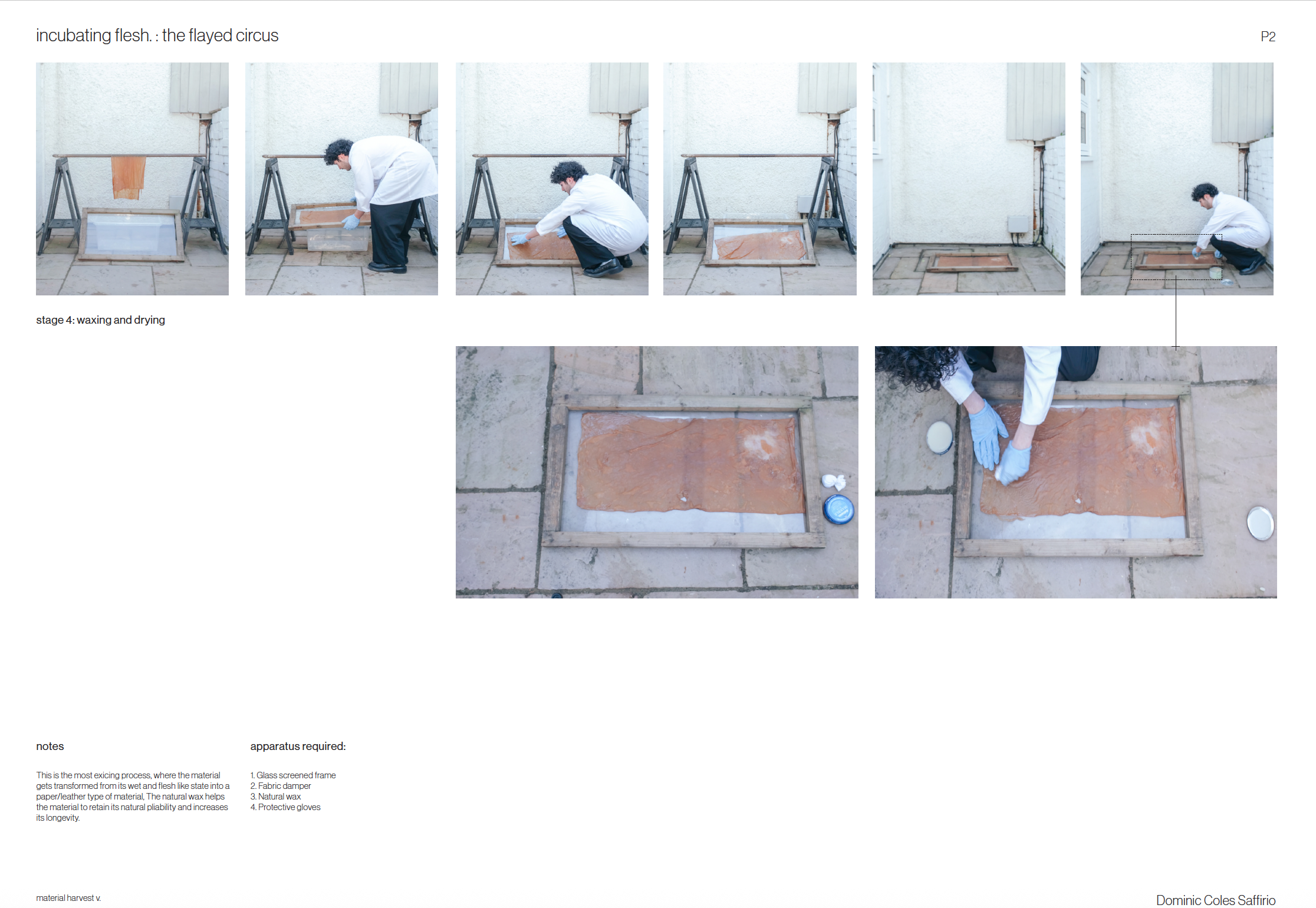
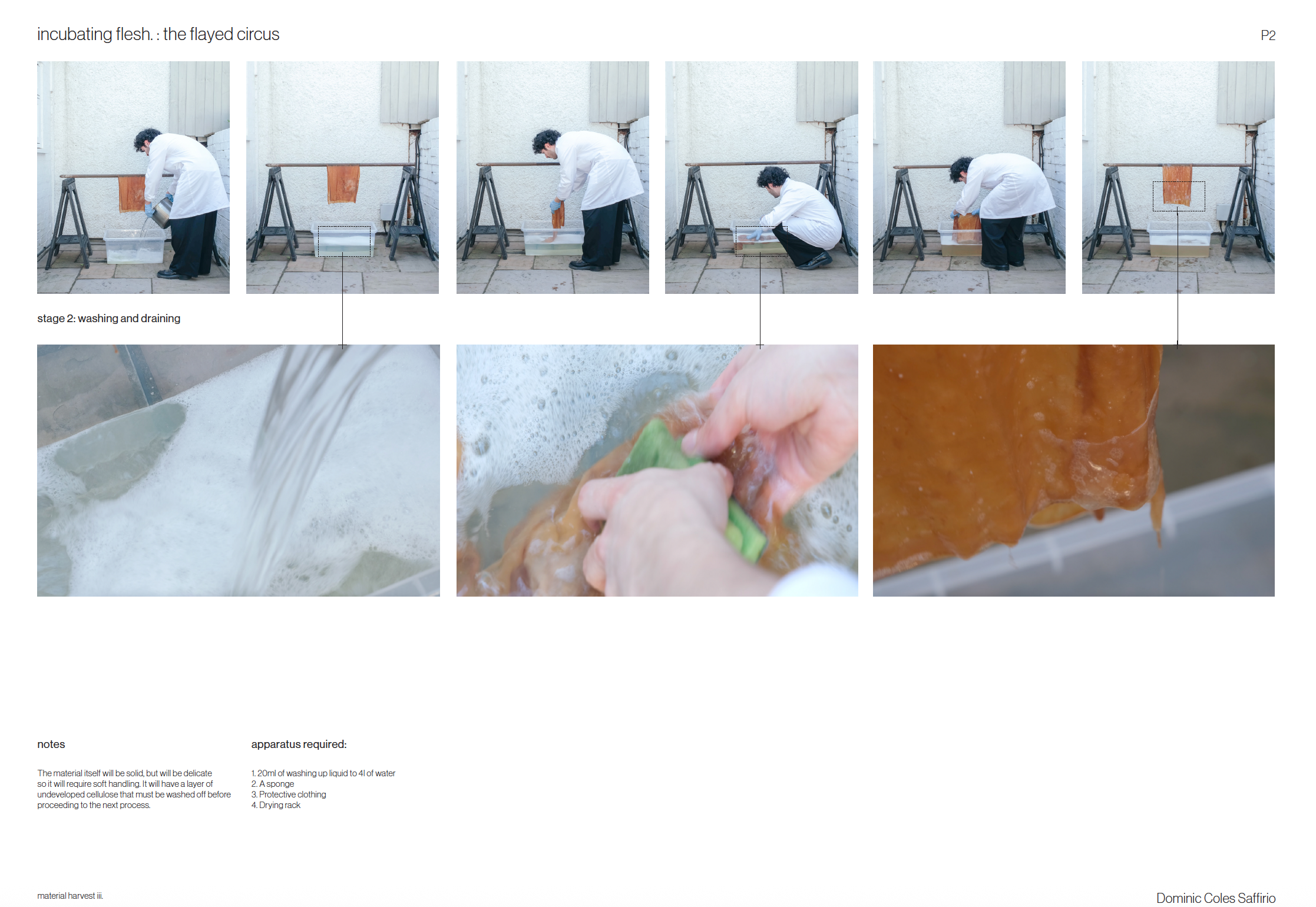
003 The 'SCOBY' grows to the size of the container it is growing in, gradually getting thicker until it forms a 1cm skin that when dried will make around a 1mm thick leather. The cultuvation period varies depending on the size of the SCOBY required, but for my experimental batches (30 x 70) cm it took 3 months of undisturbed growth to create a 0.5 milimiter thickness